The Samurai and The Prisoner
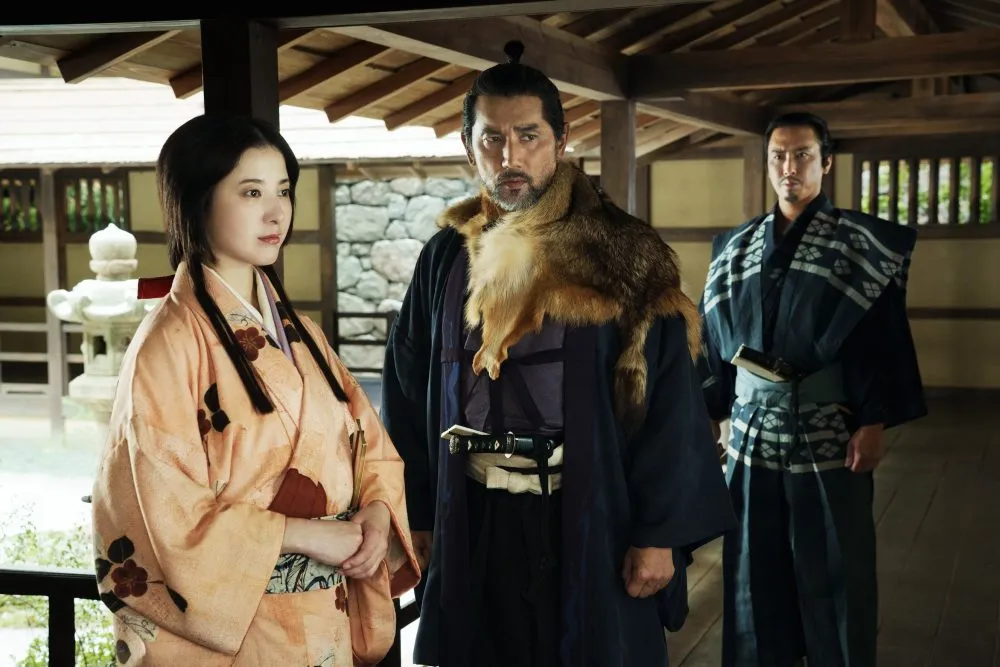
Kiyoshi Kurosawa (no relation) is a Japanese filmmaker best known to the West as the creator of Pulse, from the aughts, when J-Horror was at its height, and every reasonably successful flick was being remade in America, usually poorly. I didn't see a lot of these, original or remake, and a quick review of Kiyoshi's oeuvre is interesting.
That is to say, they're not by-and-large well-reviewed on IMDB, but they all look, minimally, like they have an intriguing hook.
The Samurai and the Prisoner is such a movie, but among his best reviewed and, at 7.1, I would say under-rated. The story is that, in 16th century Japan, Lord Araki is caught between his desire to do his duty as a samurai—which is cruel and brutal—with his desire to not be cruel and brutal.
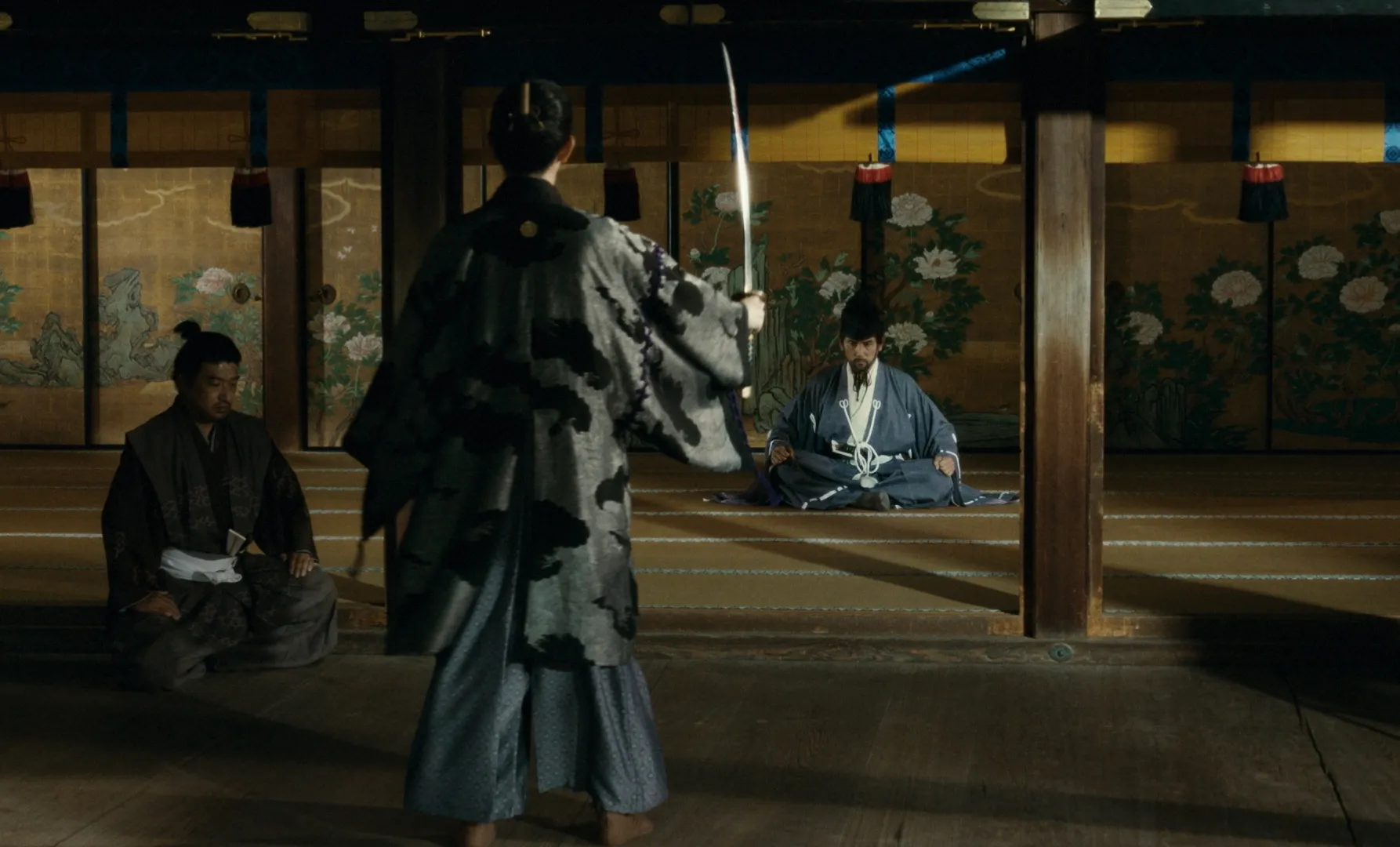
When the movie opens, we see Araki talking to a spy in his dungeon. The spy wants to be killed, and his remains sent back to his lord, so that his family won't suffer. (If he just vanishes, the assumption is that he betrayed his lord.) But Araki doesn't want to kill him. The spy's shift in attitude over the year or so the story takes place is central.
The other thing we see is that Araki has one of his lord's sons in captivity. This is done as a sign of trust: "I give you my son so that you know I won't betray you." Of course, the inciting incident of the movie is the betrayal, and the insistence by everyone including the son that the son be killed.
I would call this a pastiche: It's drama, and while the dramatic aspect is fairly profound, it never quite feels grim. Serious? Yes. Hopeless? At times. It's also a courtly drama. A locked room mystery. A historical romance. A truly thought-provoking film: What do you do when you live in a barbarism and you're not a barbarian?
Because when you get down to it, that's what this movie is about. So much of the culture demands death. Araki's doom is foregone when he refuses to kill an enemy spy. It's "Hamlet"-esque except Araki isn't really wish-washy, but he doesn't want to take life casually. (There's a backstory to this but I thought it wasn't necessary.)
We found it very effective. A little confusing because keeping everyone straight in your head is hard, man. There are quite a few characters, and they're all Japanese and they're all dressed the same way? It's like trying to keep track of the blondes on "Perry Mason".
People are starting to ask as we get to this time of the year which movies were the best, and I think this is a strong top 10er.
Comments
No comments yet.